
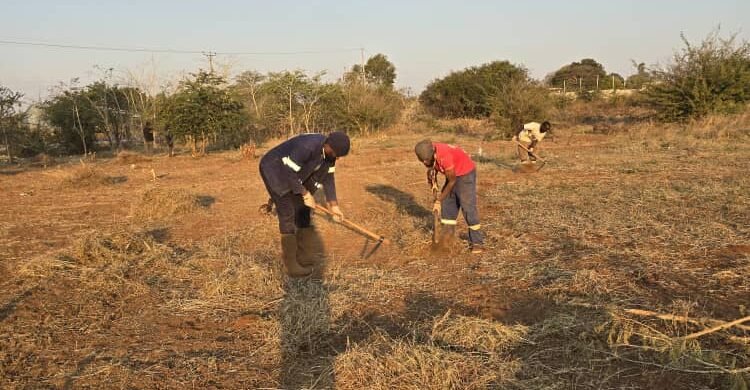
Introduction to Land Use in Zambia
Zambia, a landlocked country located in Southern Africa, encompasses a diverse geographical landscape that is integral to its ecological and economic structure. Covering approximately 752,612 square kilometers, Zambia is characterized by various climatic zones, natural resources, and topographical features, which collectively influence its land-use patterns. The environmental diversity ranges from the fertile plains along the Zambezi River to mountainous regions and plateaus, creating unique ecosystems that support a wide array of flora and fauna.
The predominant land uses in Zambia can primarily be categorized into three main sectors: agriculture, mining, and urbanization. Agriculture plays a significant role in the economy, providing livelihoods for many Zambians and contributing to national food security. The country is endowed with vast arable land, suitable for the cultivation of various crops, including maize, which is a staple food. However, agricultural practices such as slash-and-burn can lead to substantial land clearing, resulting in alterations to the landscape.
Mining is another critical land use sector, with Zambia being rich in minerals such as copper and cobalt, which are pivotal to its economic framework. The extraction of these resources necessitates extensive land clearing, contributing not only to changes in land use but also impacting ecosystems and local communities. Additionally, the urbanization trend has escalated due to population growth and economic development, which has resulted in considerable pressure on land resources as cities expand.
Understanding the contributions of these sectors is crucial for comprehending the implications of land clearing in Zambia. As the country navigates the complexities of balancing economic growth with environmental sustainability, an in-depth exploration of land use changes will shed light on the ongoing challenges and opportunities present within the nation.
Overview of Deforestation Rates in Zambia
Deforestation in Zambia is a pressing environmental issue characterized by alarming rates that underscore the extent of forest degradation within the country. According to recent statistics, Zambia has been witnessing an annual loss of approximately 250,000 hectares of forest cover, a trend that poses significant threats to biodiversity, climate stability, and the livelihoods of communities dependent on forest resources. This figure represents a staggering 0.4% of the country’s total forest area, reflecting a concerning trajectory of environmental decline.
The drivers of deforestation in Zambia are multifaceted, encompassing agricultural expansion, mining activities, and urban development. Notably, the agricultural sector is identified as a primary contributor, with smallholder and commercial farming practices leading to extensive land clearing. Subsistence agriculture alone is a significant driver, as families clear forest areas to cultivate crops for their sustenance and income. Furthermore, the increased demand for cash crops, combined with the growing population, exacerbates this situation, intensifying the pressure on forest ecosystems.
Mining, another major contributor to deforestation, has gained momentum as Zambia continues to exploit its mineral wealth. The mining sector often necessitates extensive land clearing, resulting in the destruction of forests to make way for mineral extraction activities. The urbanization process also compounds the problem; as cities expand, natural habitats are converted to accommodate urban sprawl, leading to further deforestation.
It is imperative to address these alarming deforestation rates and understand the underlying factors driving this trend. As Zambia continues to grapple with the implications of deforestation, recognizing the urgency of sustainable land management practices becomes increasingly vital to mitigate the adverse effects of forest loss on both the environment and local communities.
Agricultural Expansion: The Primary Driver of Land Clearing
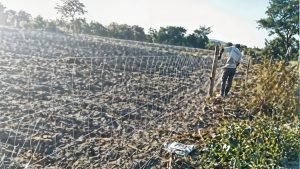
Land Clearing for Farming
In Zambia, agriculture stands as the predominant engine behind land clearing activities. Over the years, the demand for arable land has intensified due to a growing population and an increasing reliance on smallholder farming. Smallholder farmers constitute a significant portion of the country’s agricultural landscape, responsible for cultivating various crops essential for both local consumption and export. The practice of shifting cultivation, where farmers clear forests to make way for new fields, often leads to large-scale deforestation.
These farming practices not only contribute to land clearing but also significantly increase pressure on the environment, threatening biodiversity. As farmlands expand, natural habitats are disrupted, which can drive species to extinction and lead to ecological imbalance. This transformation of land use is often justified by the immediate need for food security. However, the sustainability of such practices raises serious concerns, especially in the face of climate change.
Agricultural expansion in Zambia also has socio-economic implications. The government frequently encourages crop production to boost economic development. This drive for agricultural growth can result in the prioritization of land clearing over sustainable land management practices. Consequently, while smallholder farmers work to meet the food demands of a growing population, they inadvertently engage in a cycle of environmental degradation. The loss of tree cover not only affects local weather patterns but also diminishes the resilience of farming systems against climate variability.
Overall, while agricultural expansion is essential for economic growth and food security in Zambia, it is crucial to adopt more sustainable practices that reduce the environmental impact of land clearing. Balancing agricultural productivity with ecological preservation presents a significant challenge that must be addressed through policy frameworks focusing on sustainable land use.
Quantifying Agricultural Land Clearing
Agricultural activities in Zambia play a significant role in land clearing, profoundly impacting the nation’s environment and biodiversity. Recent reports indicate that approximately 300,000 hectares of forest land are converted for agricultural use annually. This substantial figure underscores the urgency of addressing the environmental consequences of such land conversion, especially when juxtaposed against other sectors like mining and urban development.
To put this figure into perspective, the Zambian government has identified agriculture as a key driver of both economic growth and food security. However, the associated land clearing contributes to escalating deforestation rates, which have reached alarming levels. A study found that agriculture accounted for around 70% of the total deforestation in the country, illustrating the sector’s overwhelming influence on forest ecosystems.
The types of agricultural practices contributing to this trend vary significantly, encompassing subsistence farming, commercial farming, and large-scale plantations. Subsistence farming, which primarily caters to local communities, is often carried out using shifting cultivation methods that lead to temporary land clearing, while commercial agriculture tends to result in more permanent land loss due to the establishment of extensive plantations, particularly for cash crops like tobacco and soybeans.
In comparison, other sectors such as mining contribute approximately 10% to the deforestation rate, highlighting the predominant role agriculture plays in Zambia’s land transformation. Urbanization also contributes to land clearing but does not outweigh the significant agricultural footprint. Moving forward, it is imperative to find a balance between meeting the agricultural needs of the population and preserving Zambia’s vital forest resources, as the long-term effects of unchecked land clearing could jeopardize the country’s ecological health and sustainability.
Mining Activities and Their Limited Impact on Deforestation
Mining activities play a pivotal role in Zambia’s economy, contributing significantly to national income and employment. However, when evaluating the environmental consequences of these operations, particularly concerning deforestation, it becomes evident that their impact is comparatively limited. Recent research highlights that while mining does lead to localized environmental changes, it is agriculture that poses a more substantial threat to forest areas.
Mining practices, particularly in Zambia’s well-known copper belt, often entail land clearing that can affect the surrounding ecosystem. Yet, the scale of land directly transformed by mining is relatively smaller than that driven by agricultural expansion. The reason behind this disparity lies in the land usage patterns; mining typically takes place in specific zones, where resources are concentrated. In contrast, agriculture requires vast stretches of land, leading to large-scale deforestation as farmers clear vast tracts of forests for crop production. This extensive land conversion is responsible for a significant percentage of deforestation in Zambia.
It is crucial to address the distinction between both sectors’ environmental footprints. Mining operations may impact biodiversity and land quality through pollution and habitat destruction, but their overall contribution to forest loss remains constrained. In conjunction with responsible management practices, the mining sector has the potential to implement measures that mitigate its environmental effects, such as rehabilitating mined areas post-extraction. This proactive approach can ensure that while mining continues to fuel economic growth, it does not undermine Zambia’s critical forest resources.
In summary, while mining activities in Zambia do contribute to environmental changes, their limited scope in terms of deforestation relative to agriculture underscores the need for focused efforts in managing land-use practices across all sectors.
Urbanization and Building: A Secondary Driver of Deforestation
Urbanization in Zambia has emerged as a significant factor influencing land use changes, particularly in terms of deforestation. As cities expand and new infrastructures are developed, previously wooded areas are increasingly transformed into urban landscapes. The growth of urban settlements often necessitates the clearing of land not only for housing but also for essential services such as roads, schools, and healthcare facilities. This transformation can result in the disruption of local ecosystems and the loss of biodiversity.
The connection between urban growth and deforestation hotspots is evident in various regions of Zambia. As more individuals migrate to urban areas seeking opportunities, the demand for housing and the construction of new buildings accelerates land clearing activities. The burgeoning population has led to an increased need for residential space, which contributes to the conversion of forests into urban developments. However, while urbanization plays a role in deforestation, it remains a secondary driver when compared to agriculture, which is primarily responsible for land degradation.
It is crucial to consider the implications of urbanization on the environment. Building infrastructure often leads to substantial alteration of land use patterns, resulting in soil erosion, disruption of water cycles, and increased greenhouse gas emissions. Furthermore, rapid urbanization can strain local resources, necessitating more intensive land use practices. As cities continue to develop, the challenge lies in balancing economic growth with environmental sustainability. Smart city planning initiatives that include green spaces and careful integration of natural ecosystems are essential for mitigating the adverse effects of urban expansion.
In conclusion, the urbanization process in Zambia contributes to deforestation trends; however, it is essential to recognize that it is a secondary driver compared to the primary influences of agricultural activities. Sustainable urban planning and awareness can help curb the adverse effects of urban infrastructure development on the environment.
Other Contributing Factors to Land Use Change in Zambia
In addition to agriculture and mining, several other critical factors contribute to land clearing in Zambia, significantly impacting the environment and driving changes in land use patterns. One of the most notable factors is charcoal production. Charcoal is a primary source of energy for many urban households in Zambia, making its production a lucrative activity for local communities. Self-sustained charcoal production can lead to extensive deforestation, as vast areas of forests are cut down to meet the growing demand for this energy source. This rampant deforestation undermines biodiversity, disrupts ecosystems, and exacerbates soil erosion, making land less productive over time.
Urban demand also plays a significant role in land clearing. As urbanization accelerates, the need for infrastructure, housing, and services increases, often at the expense of natural landscapes. The rapid expansion of cities leads to the encroachment of agricultural lands and forests, necessitating the clearing of land to accommodate residential and commercial developments. This urban sprawl alters the ecological balance, impacts wildlife habitats, and generates additional pressures on land resources. Consequently, many former green spaces succumb to development pressures, reducing the availability of natural areas.
Moreover, socio-economic factors, such as population growth and poverty, magnify the impact of these activities on land use change. As populations increase, demand for land for agriculture, housing, and resources escalates. Poverty often compels communities to exploit land without considering sustainability, leading to over-extraction of resources, further contributing to environmental degradation. Understanding these interconnected factors is vital for formulating effective policies that address land use challenges in Zambia.
Strategies for Addressing Deforestation in Zambia
Deforestation in Zambia is a pressing concern deriving from a variety of activities such as agriculture, mining, and urban development. To counteract the negative effects of deforestation, a multi-faceted approach is required, emphasizing sustainable land use and management practices.
First, promoting agroforestry can play a significant role in mitigating deforestation caused by agricultural expansion. This method involves integrating trees into agricultural landscapes, which can provide additional benefits such as enhanced soil fertility, improved biodiversity, and carbon sequestration. Farmers can be encouraged to adopt these practices through training programs and financial incentives, allowing for increased crop yields while preserving forested areas.
Second, sustainable urban planning is essential to combat urbanization’s contribution to deforestation. By implementing zoning laws that prioritize green spaces and restrict development in forested regions, urban planners can help maintain critical ecosystems. Encouraging vertical development and utilizing brownfield sites for new constructions can minimize the need for land clearing, preserving vital forest cover.
Furthermore, community engagement in conservation efforts is crucial. Educating local populations about the importance of forests for their livelihoods and the environment can foster a sense of stewardship. Community-led initiatives can include reforestation projects, protection of indigenous tree species, and local policies that promote sustainability practices.
Lastly, government policies should target sustainable resource management. Enforcing laws that regulate logging and land clearing, alongside promoting the use of sustainable materials and energy sources, can significantly reduce the rate of deforestation. International collaboration for funding and support can also assist Zambia in implementing these strategies effectively.
Conclusion and Call to Action
In closing, it is vital to recognize the substantial impacts of land clearing in Zambia, influenced significantly by agricultural expansion, mining activities, and the rapid pace of urbanization. The drive for agricultural land continues to challenge forest reserves, while mining operations contribute to the degradation of vital ecosystems, thereby affecting biodiversity and the quality of life for communities relying on these natural resources. Urbanization, in its quest to accommodate population growth, leads to further encroachment upon forests, exacerbating the cycle of deforestation.
Given these challenges, it becomes imperative for all stakeholders, including government bodies, non-governmental organizations, local communities, and individuals, to champion sustainable land use practices. Advocating for policies that prioritize environmental conservation can mitigate the adverse impacts of land clearing. Emphasis should be placed on sustainable agricultural techniques that enhance productivity without further depleting natural resources, as well as responsible mining practices that minimize ecological footprints.
Moreover, supporting initiatives that promote reforestation and afforestation can be a significant step toward restoring the ecological balance disrupted by land clearing. By fostering public awareness around the importance of preserving Zambia’s forests, we create a collective responsibility to address this critical issue.
Let us engage in meaningful dialogues and actions to safeguard our environment now and for future generations. Individuals can contribute by educating themselves about sustainable practices, participating in conservation programs, and holding policymakers accountable. It is only through a united front that we can hope to achieve a balance between development and the preservation of Zambia’s rich natural heritage.

0 Comments