
There is a reason termites are called the silent destroyers. By the time most Zambian property owners notice a problem, the damage has often been developing for years — quietly, invisibly, and almost always underground or behind a wall. A door that suddenly will not close. A skirting board that sounds hollow when tapped. A patch of paint that bubbles for no obvious reason. Each of these is rarely the beginning of the problem. It is usually the first visible sign of an attack that started long before.
For homeowners, farmers, developers, and commercial property managers across Zambia, termites are not a minor nuisance. They are a genuine structural and financial risk — one that academic research, regional pest control data, and Notre Landworx Zambia’s own project experience all confirm is significantly under-addressed in the local market.
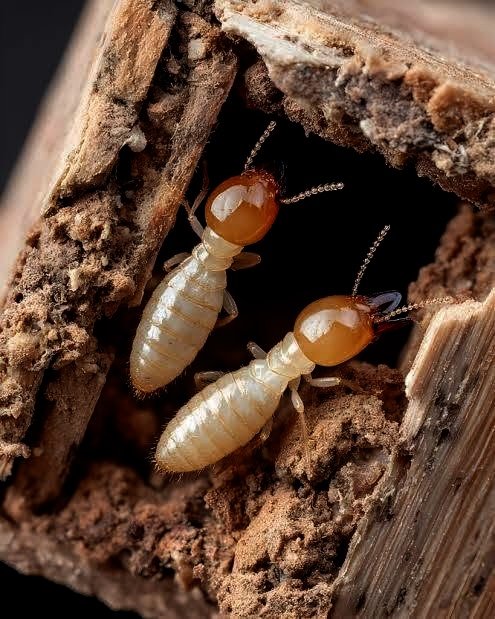
Termites Infestation/Attack
A wooden pole infested by termites.
Why Zambia Is Particularly Vulnerable
Zambia’s climate, vegetation, and construction practices combine to create ideal conditions for termite activity. Research conducted across multiple Zambian provinces — covering houses in villages, towns, and cities — found that termite damage to buildings is widespread and directly linked to specific, identifiable construction weaknesses, not random chance.
The most economically damaging species in Zambia are large, mound-building termites of the Macrotermes and Odontotermes genera. These termites do not need visible nests inside your home to cause damage—they travel from underground colonies, sometimes located meters away from a structure, through soil and along hidden pathways directly into timber, ceiling boards, door frames, and roof structures.
Common Entry Points Identified in Zambian Buildings
- Untreated timber poles used in roofing and structural support
- Hollow concrete blocks, which provide a sheltered, humid travel route
- Cracks in clay or concrete floor slabs
- Joints between the floor slab and the wall
- Cracks that develop in concrete floors over time
- Gaps between internal and external wall sections
These are not exotic or rare construction flaws. They are common features of standard residential, farm, and even commercial construction across Zambia—which is precisely why termite risk is so widespread and so frequently underestimated.
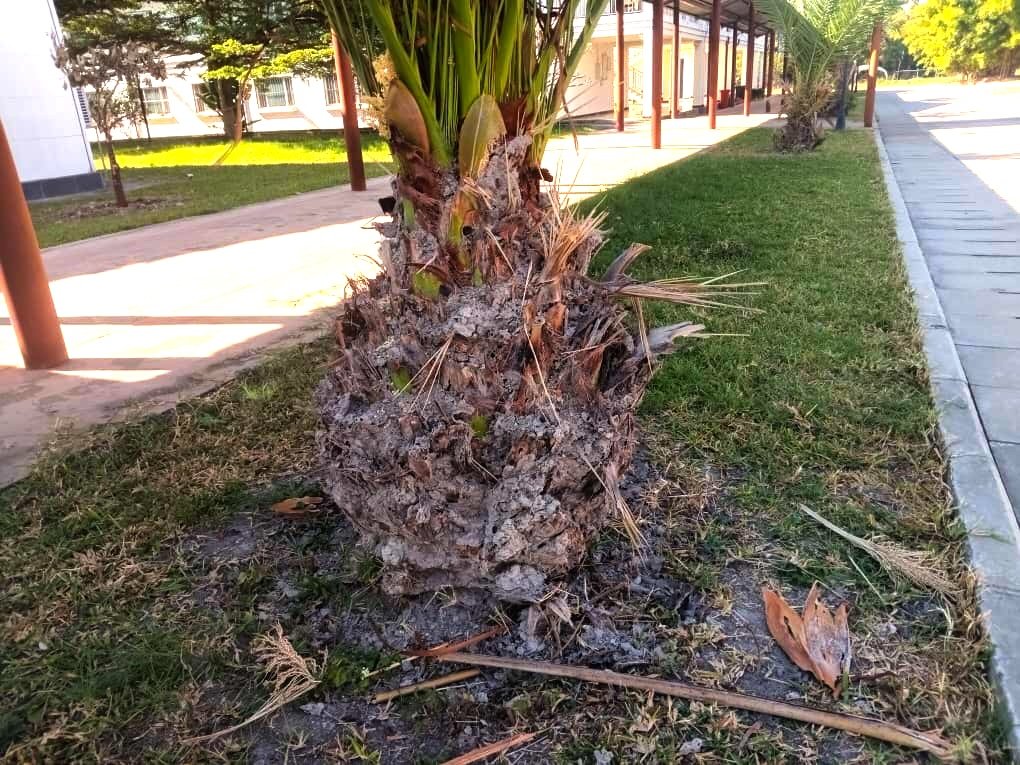
What Termites Actually Cost You
The financial danger of termites lies in how they damage timber. Termites eat wood from the inside out, leaving a thin, often paint-covered shell on the surface. This means a support beam, door frame, or roof truss can look structurally sound right up until the moment it fails — often without warning.
|
Why this matters structurally A piece of timber that looks intact from the outside can have already lost most of its load-bearing strength. Tapping a suspect area and hearing a hollow or papery sound is one of the few reliable early indicators—by which point significant internal damage has usually already occurred. |
Beyond structural risk, termite infestations carry a wider set of consequences for Zambian property owners:
- Reduced property value — a known infestation, even a treated one, can reduce buyer and tenant confidence in a sale or letting process
- Compromised electrical systems—termites can damage cable insulation and conduit, creating fire and safety hazards
- Indoor air quality and mold risk—moisture trapped by termite mud tubes and damaged structures can encourage mould growth
- Agricultural losses—termites are recognised in Zambia as significant pests of crops, plantation timber, and stored wooden goods, with regional studies estimating 20–30% pre-harvest crop losses attributable to termites in parts of Southern Africa
- Landscaping and grounds damage—ornamental and shade trees, garden structures, and fencing posts are all vulnerable
Case in Point: Termite Risk in Large-Scale Commercial Compounds
Termite risk is not limited to ageing residential houses. In our own project experience managing landscape and grounds programmes for a major Sino-Zambian economic and trade cooperation zone in the Copperbelt, termite activity was identified as a foundational risk issue across the compound — serious enough to require a dedicated, structured remediation programme as the first phase of works, ahead of any cosmetic landscaping or facelift activity.
This is an important lesson for any property owner, developer, or facilities manager: termite risk assessment and treatment should be the starting point of a property improvement plan, not an afterthought addressed only once damage becomes visible. On large compounds—hotels, industrial zones, institutional campuses, and commercial parks—the scale of potential damage and the cost of remediation once an infestation is established both increase substantially.
|
The sequencing lesson On the Copperbelt compound project we were engaged, termite remediation was treated as Phase 1—completed and budgeted before any landscaping, paving, or grounds enhancement work began. Treating cosmetic improvements as the priority while ignoring an active termite risk beneath the surface is, in effect, building on a foundation that is already compromised. |
How to Know If You Have a Termite Problem
Termite infestations are notoriously difficult to detect early, precisely because the insects operate in dark, humid, and protected environments. The following signs, drawn from regional pest control data and Zambian field experience, are the most reliable indicators:
- Mud tubes — thin tunnels of dirt and debris running along walls, foundations, skirting boards, or roof timbers
- Hollow or papery sound when tapping skirting boards, door frames, or wall panels
- Doors and windows that have become difficult to open or close, caused by swelling from moisture termites introduce
- Bulging, rippling, or staining on painted timber surfaces
- Discarded wings near windowsills or light fittings, left behind by swarming reproductive termites (alates)
- Soft or sagging floorboards
- A faint clicking sound from within walls at night—produced by certain termite species as a colony alarm signal
- Small piles of fine, sawdust-like droppings near skirting boards or furniture
Termite Risk and Treatment Costs: What to Budget
Termite control pricing in Zambia is still informally structured in many cases, but regional benchmarks—adjusted for the Zambian market—give property owners a realistic planning framework.
|
Service |
Zambia Estimated Range |
Notes |
|
Initial termite inspection |
K 500 – K 1,800 |
Written report; identifies active risk areas |
|
Spot chemical treatment (small area) |
K 1,500 – K 4,000 |
Localised infestation, residential |
|
Full chemical soil barrier (residential) |
K 8,000 – K 25,000 |
Whole-property perimeter, by size |
|
Bait station system installation |
K 6,000 – K 18,000 |
Ongoing monitoring required |
|
Annual monitoring & maintenance plan |
K 2,500 – K 7,500 / year |
Bi-annual or quarterly inspections |
|
Large commercial / institutional compound |
Site-specific quotation |
Scales with site size and risk level |
|
Structural timber repair (post-infestation) |
K 5,000 – K 80,000+ |
Highly variable; depends on damage extent |
Note: figures are indicative planning ranges based on regional pest control benchmarks (Zambia, Zimbabwe, South Africa) adjusted for the Zambian market, and will vary based on property size, infestation severity, and accessibility. A site-specific inspection is required for an accurate quotation.
Prevention: What Property Owners in Zambia Can Do
Termite prevention is dramatically cheaper than termite remediation. Academic research into Zambian buildings consistently identifies the same set of preventable construction and maintenance failures. The following measures, applied consistently, meaningfully reduce termite risk:
- Clear all nests and palatable wood debris from a site before any construction begins
- Select naturally termite-resistant timber where available—Pterocarpus angolensis (mukwa) is recognised in Zambia for its natural resistance
- Treat all structural and exposed timber with an approved chemical preservative or termiticide before installation
- Ensure all timber is placed above a concrete footing, never in direct soil contact
- Maintain at least 30cm clearance between garden plants, climbing vegetation, and the structure’s walls
- Remove dead trees and stumps promptly—these are common nesting sites that attract termite colonies toward a property
- Keep termite shielding (ant caps and metal strips) undamaged and unobstructed during any renovation or landscaping work
- Address moisture sources immediately—leaking pipes, blocked gutters, and poor drainage all attract termites
- Schedule annual or bi-annual professional termite inspections, particularly for properties with significant timber structures
|
Why DIY termite control usually fails Surface sprays and home remedies typically kill visible termites without reaching the underground colony or queen. The colony recovers, and the underlying structural risk remains — often while the property owner believes the problem has been resolved. |
Termites and Land Development: A Risk From Day One
For anyone clearing land for a new build, farm, or development project in Zambia, termite risk assessment should begin at the land clearing and site preparation stage — not after construction is complete. Mound-building termite species are often clearly visible on undeveloped land in the form of large termite mounds. Ignoring these during site preparation, rather than treating or appropriately managing them, frequently transplants the risk directly into the new structure.
This is one of the reasons professional land clearing and site preparation matter so much. A contractor who understands termite biology will identify and address mounds, root systems, and other risk indicators during the clearing phase—well before foundations are poured or fencing posts are set.
Why This Should Be Part of Every Property Maintenance Plan
Termite risk is not a one-time problem to solve and forget. Termite colonies are persistent, mobile, and capable of re-establishing around a property over time. The most resilient approach — and the one increasingly adopted by commercial and institutional clients — treats termite monitoring as an ongoing line item within a broader grounds and property management plan, alongside landscaping, fencing maintenance, and general upkeep.
This integrated approach is exactly what Notre Landworx Zambia Limited applies across our land development, landscaping, and property management services: addressing the structural risk first, then building and maintaining the visible, valuable improvements on top of a genuinely secure foundation.
Protect Your Property Before the Damage Is Done
Whether you manage a single residential property, a working farm, or a large commercial compound, the lesson from both the research and our own project experience is the same: termite risk is manageable, but only if it is identified and addressed early. The cost of an inspection today is consistently smaller than the cost of structural repair tomorrow.
Notre Landworx Zambia Limited offers site assessments, land clearing with termite risk evaluation, and ongoing grounds and property management that accounts for termite risk as a standing priority — not an afterthought.
Get in touch with us today:
- Call us: +260 966 429 996
- Email: odini@landworkszambia.com
- Visit: landworkszambia.com
- Office hours: Monday to Saturday, 8am–6pm
Notre Landworx Zambia Limited — Protecting What You Build, From the Ground Up.

0 Comments