




Site Preparation
Masaiti
Masaiti is a district situated in the Copperbelt Province of Zambia. The district was created from the Ndola Rural District under Statutory Instrument No. 30 of the Local Government Act No. 22 of 1997. Ndola Rural District was split into three districts, namely, Lufwanyama, Mpongwe and Masaiti districts. The district shares borders with six other districts – Luanshya and Ndola districts in the north, Mkushi district in the southeast, Kapiri-Mposhi district in the south, Mpongwe district in the southwest, and Lufwanyama district in the west. The district also shares an international boundary with the Democratic Republic of Congo (DRC) in the east. The district covers a total area of about 5,383 square km.
Population and Main economic activities
Masaiti has an estimated population of 147, 197 with more than 60% of the population being youths. The district is predominantly rural, and agriculture is a source of livelihood for the majority. However, the district boasts of a strong emerging manufacturing sector comprising industries manufacturing cement, electric cables, and lime. The mining of quarry and manganese also adds to the list of economic activities in the district.
Start Date
23-08-2019
End Date
27-08-2019
Client
Mr. M Masempela (Kwitu Farm)
Project type
Site Preparation (Farming)
Project description
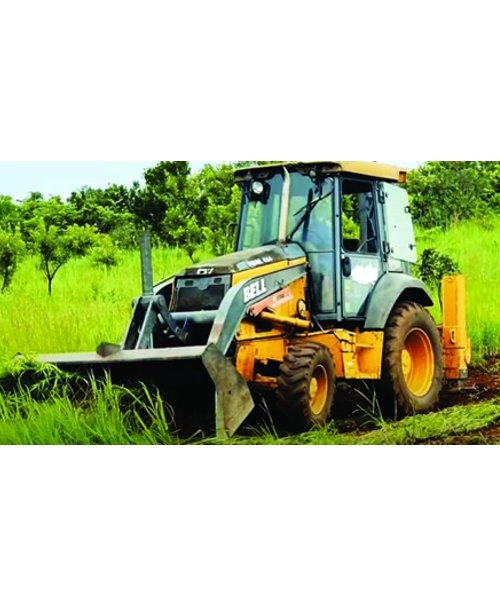
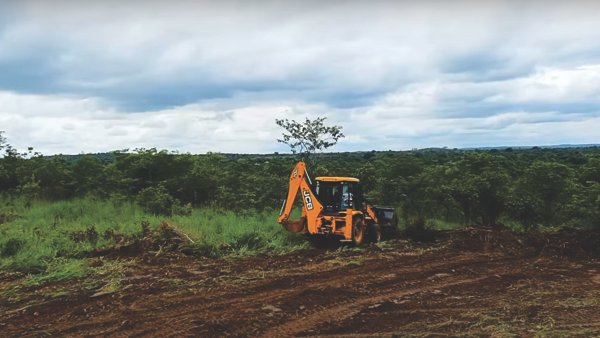
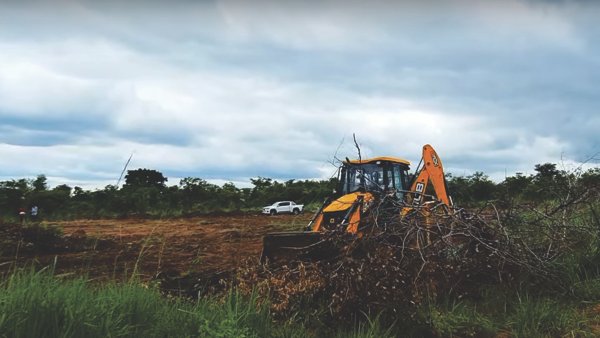
This was a multi-step process involving the removal of unwanted undergrowth and vegetation on virgin land, preparation of the ground to create a stable, level site. The work mode of this work hybrid (Mechanical and Manual).
What we did:
- Site assessment and surveying: Before any physical work could begin, we examined the property to identify boundaries, topography, and potential obstacles. Our geotechnical engineer tested the soil to assess its load-bearing capacity and check for potential issues like underground water levels.
- Permitting and regulatory compliance: Clearing a site for construction requires various permits from local authorities. This is a critical step for legal compliance and to avoid fines or work stoppages. A site plan detailing what needed to be removed and/or what needed to be preserved was developed.
- Vegetation and tree removal: This involved cutting down trees and removing brush and undergrowth. Techniques used on the project include:
- Manual clearing: Usage of hand-held tools like chainsaws, brush cutters, machetes, hoes, rakes, etc.
- Grubbing and stump removal: Stumps and root systems left behind after clearing vegetation were removed.
- Debris removal and disposal: All waste materials, including wood, foliage, rubble, and rocks, were managed and removed.
Call us at
260-966-429-996
